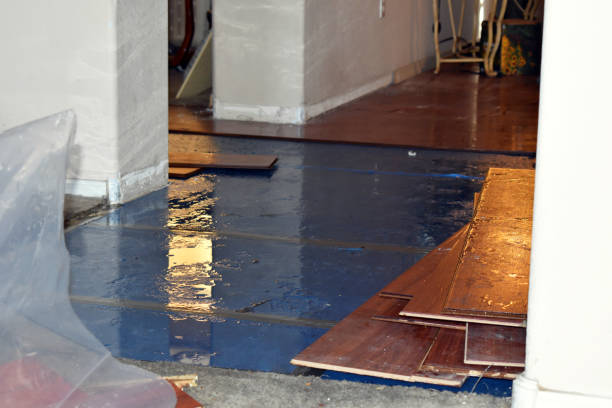
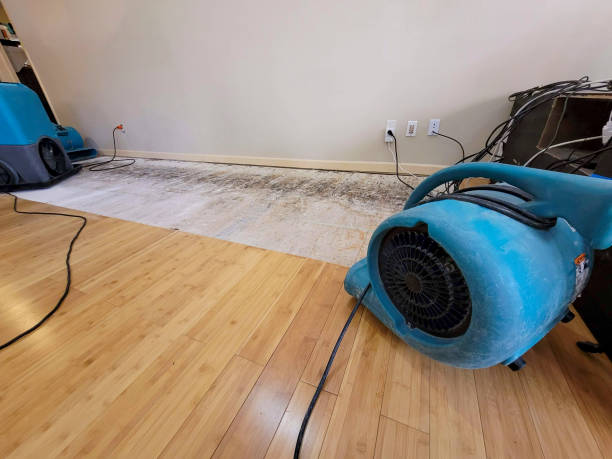
Because crawl spaces are rarely visited, water damage in them can go unnoticed for months, quietly rotting joists and feeding mold that eventually affects air quality above.
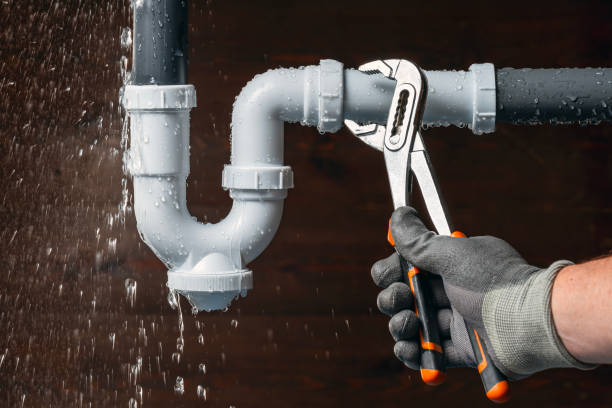
We inspect the vapor barrier, sump discharge point, and vent placement to find the actual cause, not just remove the water.

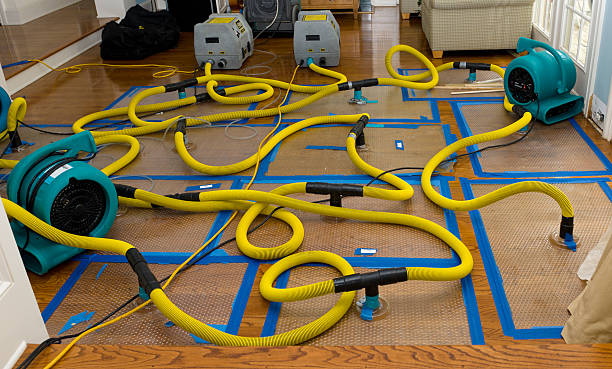
Standard-height equipment simply doesn't fit most crawl space conditions, which is why we carry specialized gear.
We install or repair vapor barriers to address the moisture source, not just the symptom.
We check whether the crawl space sump is discharging properly and whether vent placement is helping or hurting airflow.
We inspect joists specifically because prolonged crawl space moisture is a leading cause of structural wood decay.
Crawl space water removal follows its own sequence built around confined access and root-cause diagnostics — here's our Custer, WA approach.

Low-profile pumps and extraction tools remove standing water from tight crawl space clearances.
A damaged or missing vapor barrier is repaired or replaced to control ongoing ground moisture.
A properly functioning sump system prevents the same water problem from recurring.
Vent placement is evaluated and adjusted if it's contributing to trapped humidity rather than ventilation.
We check structural wood condition on every crawl space job, since that's often the real risk.
We offer encapsulation as a long-term solution beyond a single water removal event.
Any detail about how the issue was discovered helps us prepare the right equipment.
A technician arrives with low-profile extraction equipment built for crawl space access.
You'll see the scope and cost once the root cause is confirmed.
Final sign-off includes a joist and structural wood recheck.

"We had a musty smell upstairs for months and it turned out to be a failed vapor barrier in the crawl space nobody had checked." — Patricia G.
"They found our sump line wasn't discharging far enough from the foundation, which explained why the water kept coming back." — Omar E.
"Glad they checked the joists too — caught some early rot before it became a much bigger structural problem." — Lindsey B.
Persistent odor or humidity issues in the home above are often the first clue of a crawl space problem.
Ground moisture without a proper vapor barrier is one of the leading causes of crawl space water.
Addressing the actual cause helps prevent the same problem from recurring.
We can assess whether your specific situation would benefit from encapsulation.
Structural wood inspection is included since prolonged moisture is a common cause of joist rot.
Custer sits within our core crawl space response zone.

One call gets a confined-space specialist routed to Custer.
Call +1-844-833-1325